
Best Time to Rebrand Your Business in 2026
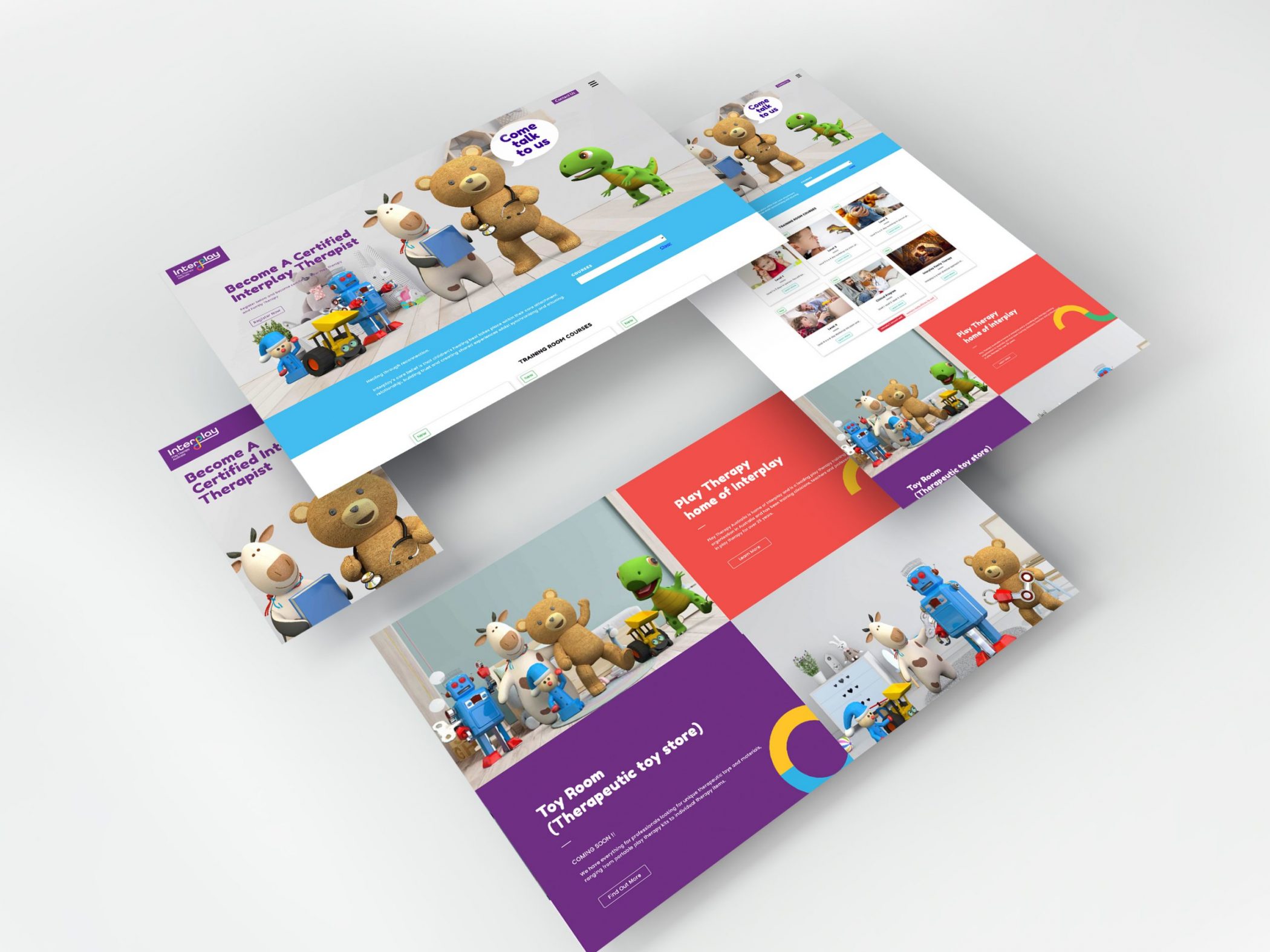
Rebranding is a big decision – it’s more than a new logo or colour palette. Done well, a rebrand can open new markets, sharpen customer perception, and lift performance. Done poorly, it’s expensive, confusing, and ineffective. This blog explains how to determine if 2026 is the right time for your Australian business to rebrand, what market forces to consider, and how to plan a smooth and measurable rollout with a branding agency.
When should you seriously consider a rebrand?
A rebrand is worth discussing when one or more of the following apply:
- Your business has changed – introducing new products, services, or strategies that no longer align with your current brand.
- The market perceives you differently – negative or inconsistent brand associations across channels.
- You need to reach new audiences or geographies, such as entering a new state or market segment (for example, targeting customers in Melbourne when you’ve primarily been based in Perth).
- There’s a merger, acquisition, or major leadership change.
- Your brand is hindering growth, resulting in declining leads, poor conversion from key channels, or brand confusion.
- Technical/legal reasons – trademark problems or domain/name conflicts.
If none of the above apply, a refresh (visual update, tone polishing, small site changes) is often a better, cheaper option.
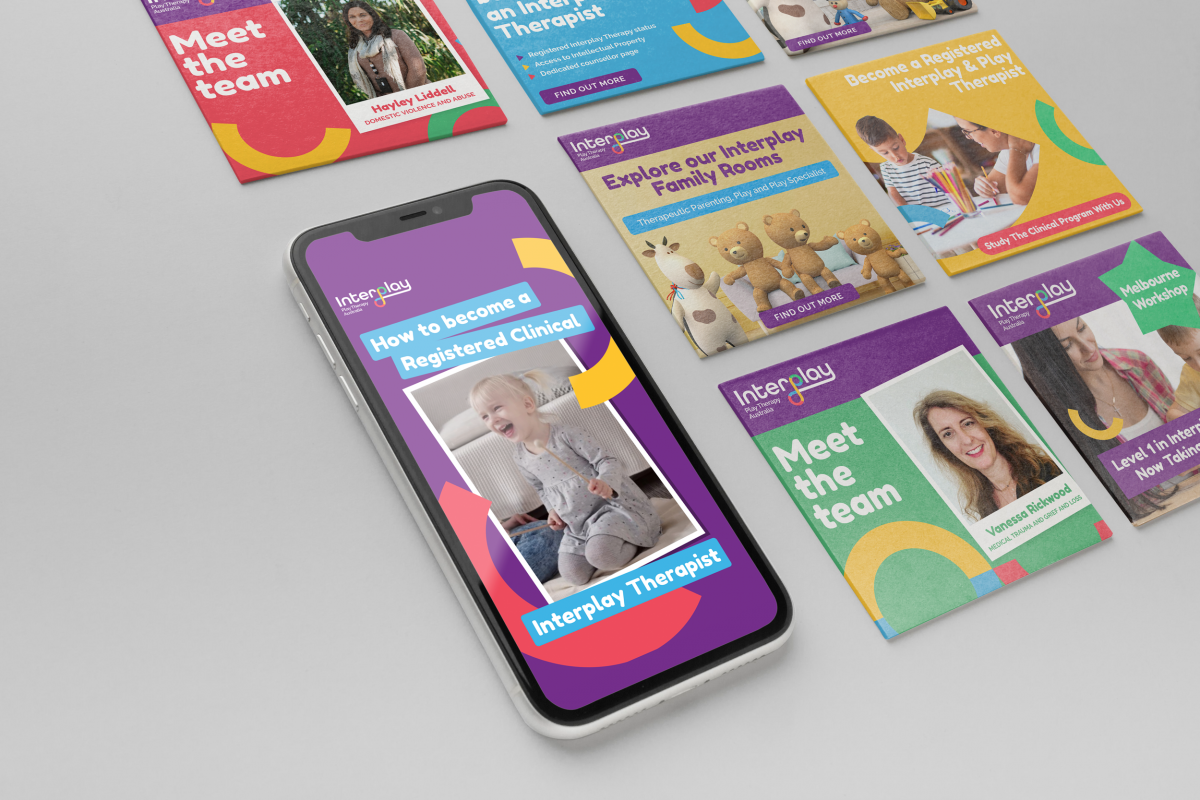
2026 market realities, Australian businesses must weigh
- Purpose and values are front-of-mind. Consumers increasingly expect brands to be authentic about what they stand for. Rebrands should align with genuine organisational change, not just marketing rhetoric.
- Technology must serve creativity and measurement. The brands that will thrive in 2026 pair creative identity with data and responsible measurement. Build analytics into your rebrand from day one.
Visual language is shifting. Expect audiences to respond to curated individuality, nostalgia, and bolder visual moves in 2026 – but only if they match your audience. Test bold directions rather than guessing.
Practical timing considerations (when in the year should you rebrand?)
To keep disruption to a minimum, align your rebrand to business rhythms:
- Avoid peak trading periods. For retailers or seasonally busy businesses, schedule strategy and rollout outside peak sales times.
- Use financial cycles to your advantage. Start planning right after your financial year closes so budgets are clear and you can measure the rebrand’s first 12 months cleanly.
- Coordinate with major product launches. If you have a new product or service planned, rebranding developed by a brand design agency ahead of the launch can deliver a stronger first impression.
- Allow time for approvals. Large organisations and boards often need multiple rounds of sign-off – factor this in.
Consider grant or funding timetables. If you’re applying for government or investor funding, align timelines so the rebrand supports those pitches.
A practical 10-point checklist before you commit
- Don’t rebrand to cover up problems. Fix business issues first.
- Define measurable goals. Brand awareness lift, lead generation, reduced CAC, improved NPS – pick 3 KPIs.
- Audit your assets. Domain names, trademarks, signage, stationery, and digital touchpoints.
- Map stakeholder impact. Employees, partners, and existing customers – plan internal comms.
- Test visual directions with real users. Small panels beat gut instinct.
- Build rollout phases. Soft launch to employees → beta audience → full public launch.
- Set analytics & measurement. Track traffic, conversions, search visibility, and brand surveys.
- Budget for the whole process. Include design, development, legal, printing, and change management.
- Plan transitional identity. Temporary assets reduce downtime during rollout.
Prepare crisis/FAQ comms. For confusion or negative feedback: be ready to explain the why.
Industry-specific timing tips
- Retail & hospitality: Avoid busy retail seasons; align with slow months.
- Professional services & B2B: Time rebrands to the new financial year or major conference appearances.
- Tech & startups: Rebrand at funding milestones (post-Series A/B) to signal maturity.
- Not-for-profit: Coordinate with fundraising cycles and key campaigns.
(These reflect common Australian commercial rhythms — adapt for your category.)
How to measure success after the rebrand
Track both short-term and long-term signals:
- Short term (0–3 months): brand recall testing, website traffic and form fills, and social engagement.
- Medium term (3–12 months): lead quality, conversion rate changes, SEO visibility, and rankings for target keywords.
- Long term (12+ months): revenue impact, customer lifetime value, and brand equity measures.
When not to rebrand
- If the only reason is a personal dislike of the logo.
- If the organisation cannot support the change operationally (budget, approvals, staff buy-in).
- If strategy, product or customer problems remain unresolved.
Rebrand at the Right Time – Not Just for a New Look
Rebrands succeed when identity, strategy and operations align. In 2026, Australian businesses that treat their rebrand as a strategic, measurable transformation – rather than a cosmetic exercise – will gain the most traction.
Related Articles
-

How Blackbox Design can take the stress out of annual report season
We know how stressful report season can be. The responsibilities of compiling the right information, delivering it in the right way, and publishing it on time all merge to create ...
More -

How to compile your content for a streamlined process (and keeping your design agency on your side)
When supplying content to your graphic designer, a little bit of forethought can make the process immensely easier. Here are our top tips when compiling your content for supply to ...
More -
How Important Is Your Brand to Your Future Marketing?
Brand dwells in the minds of consumers for a long time, and therefore branding is essential to your future marketing. Opportunities grow with the right branding, whereas reputation and value ...
More -
Building Your Digital Brand Experience Online & Beyond
By going digital, you are expanding your marketing campaign online. You start designing a website as a digital representation of your brand, but how do you make it impactful? This ...
More