
Why Mobile Web Design Is No Longer Optional for Australian Businesses
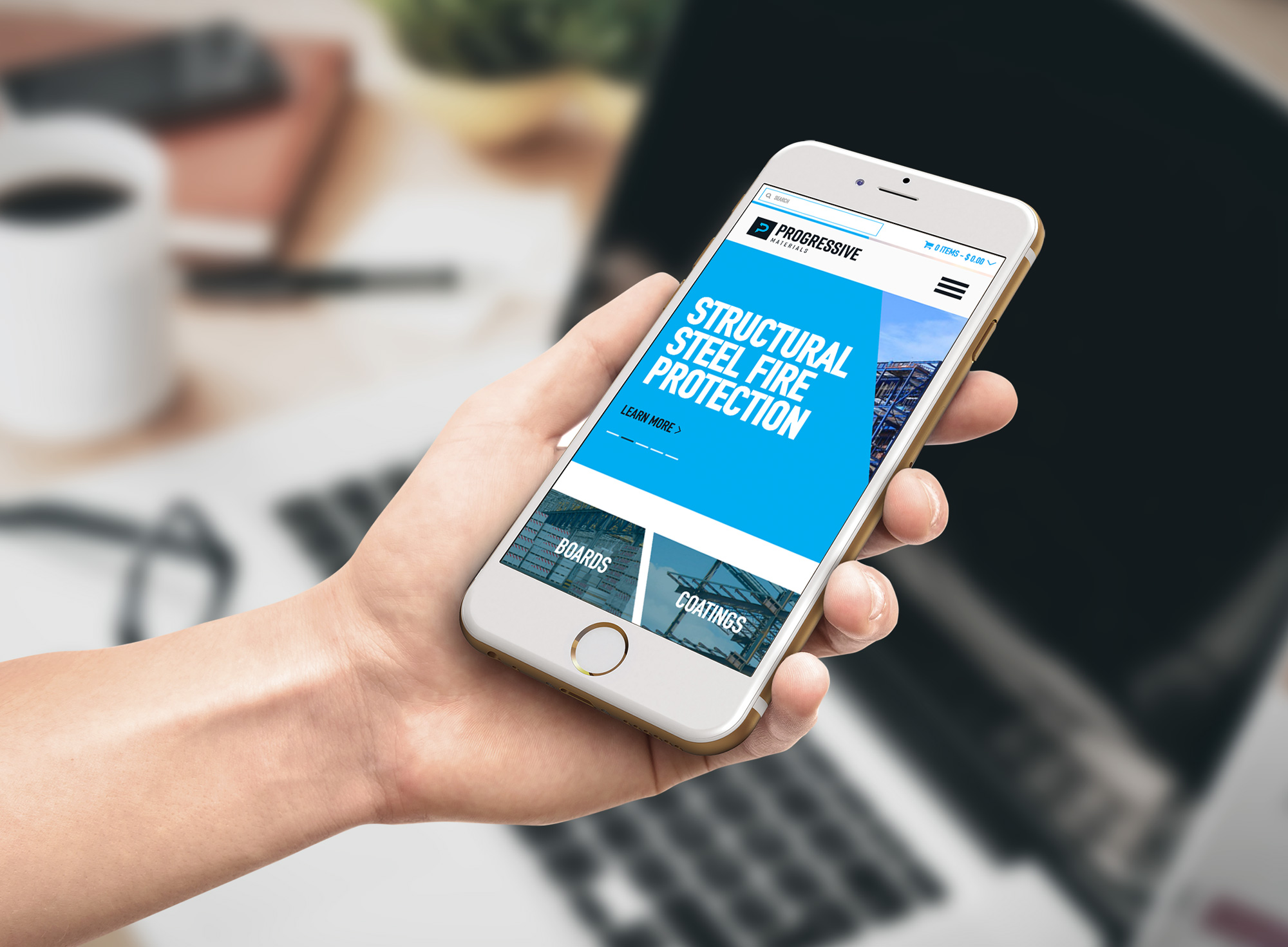
Mobile devices have become the primary way people browse, research, and buy online. For Australian businesses, this shift isn’t coming in the future; it’s already here. If a website doesn’t work well on mobile, users don’t wait around. They leave.
Potential and existing customers are looking for a mobile web design experience that is clear, fast, and easy to use.
Today, mobile design is no longer a “nice to have.” It directly affects engagement, trust, and conversions.
Mobile Usage in Australia: The Reality

In Australia, mobile website traffic accounts for the majority of website visits across most industries. Retail, hospitality, trades, real estate, education, and professional services all see strong mobile usage.
People use their phones to:
- Search for services while on the move
- Compare products in real time
- Read reviews before making decisions
- Enquire, book, or purchase instantly
If a website is difficult to navigate on mobile, users don’t adjust; they simply move on to a competitor.
Mobile Experience and Trust Go Hand in Hand
Trust is built in seconds online, and mobile plays a big role in that first impression.
A mobile website that feels cramped, slow, or broken sends the wrong message. Users may question:
- Whether the business is professional
- Whether the site is secure
- Whether the service is reliable
On the other hand, a smooth mobile experience on your business’ website creates confidence. It reassures users that the business is established, organised, and easy to deal with.
Designing for Desktop While Prioritising Mobile Outcomes

Every website project starts with understanding the full scope of the brand, content, and functionality. In many cases, this begins with designing for desktop, where there is more space to structure layouts, refine visual hierarchy, and define how key information is presented.
Starting with the desktop allows complex elements such as navigation, content sections, and user journeys to be mapped clearly. From there, the design is carefully adapted for mobile devices to ensure the experience remains intuitive, fast, and easy to use on smaller screens.
This approach ensures nothing important is lost when transitioning to mobile. Instead, layouts are refined, content is prioritised, and interactions are simplified to suit touch-based navigation. The result is a mobile experience that feels intentional rather than compressed.
While mobile usage continues to dominate, what matters most is not the starting point of the design process, but the quality of the mobile experience delivered. By shaping the structure on desktop and tailoring it thoughtfully for mobile, businesses can achieve strong usability across all devices without compromise.
The Impact on Conversions and Enquiries
Mobile traffic often outnumbers desktop traffic, but mobile conversions can lag if the experience isn’t optimised.
Common mobile conversion blockers include:
- Forms that are too long or hard to complete
- Checkout processes are not designed for small screens
- Important information is hidden or difficult to find
- Calls to action that are too small or poorly placed
Fixing these issues doesn’t require reinventing the site; it requires thoughtful mobile optimisation that supports how users actually behave.
Mobile Design and SEO Are Closely Connected
Google evaluates websites based on mobile performance. Page speed, usability, and layout stability all play a role in rankings.
A site that performs poorly on mobile can:
- Struggle to rank competitively
- Lose visibility in local search results
- See higher bounce rates from organic traffic
Strong mobile usability supports both SEO performance and user engagement, making it a critical part of long-term growth.
Related Articles
-
From Browsing to Buying: Designing Product Pages That Actually Convert
Most product pages get traffic but not sales. People click, scroll for a few seconds, and leave. The problem is rarely the product itself. It’s usually how the product ...
More -

The Psychology of Website Design: How Layouts Influence User Trust
In the digital world, first impression is everything. Users form an opinion about a website within seconds, often before they have read any content. The layout, visual hierarchy, and design ...
More -
The Benefits of Having a Website
Whether you’ve been in business for decades or you’re running a start-up, you’re probably aware that customers these days are looking for convenience and ease of purchase. ...
More -
What’s Included in a Website Redesign Project?
A new website often means new opportunities to boost brand image and increase your business’ conversion rate. A website redesign project means revitalising your existing website. It involves optimising the ...
More